
Species · Rainbowfish
Celebes Rainbowfish
Marosatherina ladigesi
If you remember one thing: this is a hard-water, gently-alkaline shoaling fish that only shows its shimmer in a mature, well-cycled, planted tank kept in a proper group of 8 or more - it is not a fish for a brand-new bare aquarium.
Difficulty: Intermediate Tropical community tank ✓ Fact-checked care guide
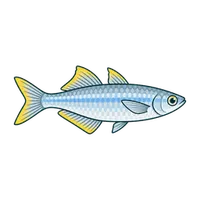
Quick facts
| Adult size | Around 7.5-8 cm (3 in) total length. SeriouslyFish lists 80 mm standard length (the body, not counting the tail). Males run a touch larger and flashier, with trailing extensions on the second dorsal and anal fins. |
|---|---|
| Minimum tank | Keeper-facing minimum: a footprint of at least ~75 cm of swimming length, roughly 75-90 litres (about 20-24 US gal), and honestly a "20-gallon long" (or bigger) shape rather than a tall cube. SeriouslyFish's stated base dimensions are 76 x 30 cm (~68 L / ~18 US gal) for a small group. Bigger-is-better reality: these are restless, fast swimmers and the males display across open water, so a longer 90-120 cm tank (~110 L / ~30 US gal or more) lets you keep a real group and gives them room to behave naturally. Swimming LENGTH matters far more than raw volume here. |
| Temperature | 22-28 C (72-82 F); a stable mid-range around 24-26 C (75-79 F) is a comfortable target. |
| pH | 7.0-8.0. This is a hard-water fish and will not do well in acidic (below 7.0) water. |
| Hardness | Medium to hard and gently alkaline: roughly GH 10-25 dGH. Do not try to soften the water for this species - hard, alkaline water is what it wants. |
| Filtration & flow | Clean, well-oxygenated water with gentle-to-moderate flow. Wild fish live in clear, slow-moving streams, so avoid a fierce current; a well-oxygenated tank with steady, not turbulent, movement suits them. Sensitive to poor water quality, so filtration should comfortably keep ammonia and nitrite at zero. |
| Diet | Omnivore, and an easy eater once settled. Takes good-quality dried food (flake, micro/nano pellets) plus regular small frozen or live meaty foods - daphnia, baby brine shrimp, cyclops, small bloodworm/mosquito larvae, tubifex. It has a small mouth, so keep food items tiny. Variety is what brings out the best colour. |
| Social | Shoaling - keep a group of at least 8. SeriouslyFish gives a floor of 6-8 and says "preferably more"; aim for 2-3 females per male so the males display to each other instead of pestering a single female. A lone or paired Celebes will be washed-out, stressed and rarely seen. |
| Temperament | Very peaceful and non-aggressive, but genuinely shy and skittish - especially in the first days after a move or in a sparse tank. Males spar harmlessly by flaring their fins at each other rather than actually fighting. |
| Lifespan | About 3-5 years in a well-maintained aquarium. |
Overview
A small, shimmering rainbowfish from the island of Sulawesi (historically called Celebes) in Indonesia, where it lives in clear, slow-flowing streams and their gently-alkaline, hard-water estuarine reaches.
Understated but gorgeous: a translucent silvery-gold body lit by a neon blue-green horizontal line, with yellow-and-black-edged fins. Colour builds with maturity, a planted tank, and a confident group.
It has an unfair reputation as 'difficult'. The honest version: it isn't fussy about food or hard to breed, but it IS sensitive to unstable water and to being kept wrong (soft/acidic water, tiny groups, a raw uncycled tank). Get the water and the group right and it is a rewarding, long-lived community fish.
Peaceful and community-friendly with the right neighbours - the catch is that it needs HARD, alkaline water, which rules out the soft-water blackwater community many people default to.
💷 Costing it out? See how much a celebes rainbowfish really costs to keep — the celebes rainbowfish itself is usually the cheapest part.
Water & tank
Water first, always. Target pH 7.0-8.0, GH about 10-25 dGH (medium-to-hard), and 22-28 C (72-82 F). This is a hard-water, gently-alkaline species - it will NOT thrive in soft, acidic water, so do not chase low pH or dose it into a blackwater tank.
Only ever add these fish to a fully cycled tank. Cycling means your filter has grown the bacteria that turn fish waste (ammonia) into nitrite and then far-less-toxic nitrate; a new tank takes roughly 4-6 weeks and is 'done' only when ammonia and nitrite both read zero and nitrate is climbing. Test with a liquid kit before you buy fish.
This species is a canary for water quality: it is very sensitive to sudden swings in chemistry and temperature. Acclimatise slowly, keep parameters stable, and do regular partial water changes (around 25-50% weekly) with dechlorinated, temperature-matched water.
One water-first nuance worth knowing: ammonia becomes MORE toxic as temperature and pH rise (per the RSPCA). Because this is a warm, alkaline-water fish, even a small ammonia reading is more dangerous here than in a cool, acidic tank - which is exactly why the tank must be cycled and kept clean.
Think footprint, not just litres. Give them open swimming LENGTH (~75 cm minimum, more is better) with dense planting and some floating cover around the edges, plus clear lanes down the middle for the group to cruise and the males to display.
Feeding
Feed a varied diet built on a quality flake or micro/nano pellet, rotated with small frozen or live foods (daphnia, baby brine shrimp, cyclops, small bloodworm). Variety is what unlocks the best colour.
Match the mouth: this fish is small-mouthed, so crush flake and choose tiny food items - full-size pellets or large bloodworm can be ignored or spat out.
Feed small amounts once or twice a day, only what's eaten in a couple of minutes. Overfeeding fouls the water, and in a species this sensitive to water quality that's a real risk - uneaten food is a hidden ammonia source.
Fish new to your tank often refuse food and hide for the first few days; that's normal shyness, not illness. Keep the tank calm and try small, tempting live/frozen foods.
Behaviour & tankmates
Genuinely peaceful and a good community citizen - the limiting factor is water chemistry, not temperament. Pick tankmates that also want hard, alkaline water rather than soft-water blackwater species.
Good matches (per SeriouslyFish): similarly-sized rainbowfish, peaceful livebearers, and freshwater gobies - other hard-water lovers of a comparable size and calm energy.
Avoid boisterous, fin-nipping, or much larger fish. Celebes are skittish and males carry delicate trailing fins, so aggressive or nippy tankmates (and cramped groups) lead to stress and torn fins.
Keep them as a group and give them cover: a decent shoal (8+), planting and floating plants make them far bolder and more colourful - a nervous, hidden Celebes usually means too few fish or too open a tank.
Myth to retire: they do not need salt or brackish water to live with. They can tolerate mildly brackish conditions, but a properly kept freshwater community with hard, alkaline water is exactly right.
Adults will pick off dwarf shrimp and shrimplets — only larger shrimp (e.g. Amano) or an established, fast-breeding Neocaridina colony that can absorb losses is a safe bet.
What to expect
Expect a shy first week: new fish often hide and skip meals until they trust the tank. A group, planting and calm surroundings speed this up.
Once settled, expect an active, fast-moving fish that cruises open water in a loose shoal, with the males flaring fins and displaying to one another.
Expect colour to build over weeks as the fish mature and the group and planting fill in - the shimmer is earned, not instant.
Expect a fish that punishes instability: it rewards steady, hard, alkaline, cycled water and a consistent maintenance routine, and sulks (or worse) when conditions swing.
Myths, kindly busted
“Celebes rainbowfish need salt or brackish water.”
SeriouslyFish states plainly that, contrary to popular belief, it does not require added salt - it can tolerate mildly brackish water, but it does perfectly well in a hard, alkaline FRESHWATER community. Dosing salt into a general community tank can actually harm salt-sensitive plants and tankmates.
“They're a delicate 'expert-only' fish that's very hard to keep.”
SeriouslyFish notes it is 'not particularly difficult to maintain... provided its basic needs are met.' The reputation comes from people keeping it wrong - soft/acidic water, tiny groups, or an uncycled tank. Give it stable, hard, alkaline, cycled water in a group and it's very manageable.
“A small group of 2-3 (or even a single one) is fine.”
It's a shoaling fish; SeriouslyFish recommends at least 6-8, preferably more, with 2-3 females per male. In small numbers they stay pale, stressed and hidden, and single males may harass a lone female.
“They need soft, acidic blackwater like many tetras.”
The opposite - they come from hard, gently-alkaline waters and 'will not do well in acidic conditions' (SeriouslyFish). Target pH 7.0-8.0 and GH ~10-25 dGH; don't add peat, botanicals or RO to soften it.
When to act
We triage, not diagnose — but these are worth a closer look (starting with a water test):
- Fish gasping at the surface, clamped fins, sudden hiding, or loss of colour soon after adding them: stop and TEST the water for ammonia, nitrite and nitrate right away. In a warm, alkaline tank even a trace of ammonia is dangerous - do a water change and confirm the tank is truly cycled.
- Any detectable ammonia or nitrite (should be zero) or a nitrate spike: do an immediate partial water change with dechlorinated, temperature-matched water and test again the next day.
- Rapid pH or temperature swing (e.g. after a big or cold water change): this species is very sensitive to sudden changes - correct it gradually, never with a shock. Check your heater and match new water to tank temperature.
- Torn or ragged trailing fins, or a fish being chased: usually a nippy/aggressive tankmate or too small a group - review stocking rather than treating blindly.
- White spots, cotton-like tufts, ulcers, or persistent flicking/rubbing: treat as a health red flag - isolate if you can, keep water pristine, and get advice from an aquatic vet or an experienced fishkeeper. This is triage, not a diagnosis.
Heading to a vet? Print the Celebes Rainbowfish vet-prep sheet — what to bring, what to tell them, and the questions to ask.
Sources & further reading
- SeriouslyFish - Marosatherina ladigesi (Celebes Rainbowfish) — Primary authority. Size 80 mm SL; tank base 76 x 30 cm / ~68 L; temp 22-28 C; pH 7.0-8.0 ('will not do well in acidic'); GH 10-25 dGH; shoal of at least 6-8, preferably more, 2-3 females per male; no salt required; 'not particularly difficult'; peaceful; hard-water tankmates.
- Aquarium Co-Op - Top 10 Rainbowfish — Adult size 5-6 cm; 20-gallon-long or larger; temp 72-82 F (22-28 C); alkaline pH above 7.0; group of 6+; very sensitive to water-chemistry/temperature change; weekly 25-50% water changes; small foods.
- Fishkeeper.co.uk (Maidenhead Aquatics) — UK retailer care sheet. Max size 7.5 cm; temp 22-28 C; hardness up to 25 dH; group of 6 or more; peaceful; careful acclimatisation; well-planted, clean, well-aerated, slow-moving water.
- Fish Laboratory - Celebes Rainbowfish Ultimate Guide — Lifespan ~3-5 years; adult 3 in / 7.5 cm; min ~20 gal (90 L), bigger recommended; temp 22-28 C (72-82 F); pH 7-8; hardness 12-18 dGH; group of at least 5-6.
- Aquadiction - Celebes Rainbowfish Profile — Lifespan up to 5 years; size 8 cm; ~75 L+; temp 22-27 C (72-82 F); pH 7.0-8.0; GH 10-25; group 6-8+; peaceful/timid; tankmates similarly-sized rainbowfish, livebearers, gobies, tetras; avoid fin nippers.
- RSPCA Knowledgebase - Why is water quality important when setting up a fish aquarium — Welfare authority on cycling: nitrogen cycle takes ~4-6 weeks; tank cycled only when ammonia/nitrite are zero and nitrate is produced; ammonia toxic at ~0.1 ppm and MORE toxic at higher temperature and higher pH (key for a warm, alkaline-water species).
Written & fact-checked by The Finfern Team against the sources above — kind, general guidance, not a diagnosis. If something looks wrong, test your water and, if it persists, contact a fish-savvy vet.

Get the free Celebes Rainbowfish Starter Kit
The essentials at a glance, a setup checklist and a first-30-days plan for your celebes rainbowfish — what to get right and what to watch for. Join the shoal and we’ll send it over. Free sheets and tools always stay open, no gatekeeping.
Water-first tips and new guides the moment they land. No spam — unsubscribe anytime. See how we handle your data in our privacy notice.