
Species · Shrimp & snails
Ghost Shrimp
Palaemonetes paludosus
If you remember one thing: the ghost shrimp itself is hardy and cheap, but it is fatally sensitive to copper and to unstable, uncycled water, so the real work is a mature tank and copper-free everything, not the shrimp.
Difficulty: Beginner Shrimp / invert tank ✓ Fact-checked care guide
Quick facts
| Adult size | Around 4 cm (about 1.5 in). Females are the larger sex and can reach roughly 5 cm; males usually stay under about 4 cm. |
|---|---|
| Minimum tank | Keeper-facing minimum is about 19 L (5 gal) for a small group, but a 38-40 L (10 gal) tank is the honest, easier target: more water dilutes mistakes, holds parameters steadier, and gives them room to graze. Bigger is genuinely better for a stable shrimp colony. |
| Temperature | 18-28°C (64-82°F). They are comfortable at ordinary room-temperature tropical settings around 22-26°C (72-79°F); what matters far more than the exact number is that it stays stable. |
| pH | 6.5-8.0, and they generally do best on the alkaline side of neutral (pH 7.0 or a little above). |
| Hardness | GH about 5-15 dGH (a moderately mineralised, "harder" water is preferred). KH roughly 3-8 dKH helps hold pH steady. Enough GH is not optional cosmetics here: the dissolved minerals are what let them build a firm new shell at each moult. |
| Filtration & flow | Gentle, shrimp-safe filtration. A sponge filter is the classic choice because there is no intake slot to trap a shrimp or a moult, and it doubles as a biofilm-covered grazing surface. If you run a hang-on-back or canister, cover the intake with a fine sponge or pre-filter guard, especially if any young are present. Aim for gentle flow, not a torrent. |
| Diet | Omnivorous scavenger. In the wild the bulk of the diet is algae, biofilm, and detritus, rounded out with tiny plant matter and small invertebrates. |
| Social | Social and best in a group; keep a minimum of 6 and more if the tank allows. They are not obligate shoalers, but a group looks and behaves more naturally and spreads out feeding-time squabbling. |
| Temperament | Peaceful and busy scavengers. They are a touch more assertive than dwarf shrimp and turn opportunistic at feeding time, and they will pick at anything they can catch, including moulting shrimp, shrimplets, fry, or a sick, slow, long-finned fish. |
| Lifespan | Short: roughly 1-2 years, and often less. Many "ghost shrimp deaths" are really shipping stress plus an uncycled tank in the first two weeks, not old age. |
Overview
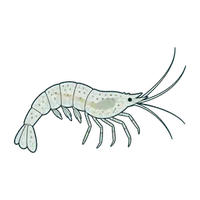
Palaemonetes paludosus is a small, near-transparent freshwater shrimp native to the still and slow waters of the southeastern United States - you can often watch its gut and heart working through the clear body.
It is one of the cheapest, hardiest shrimp in the hobby and a genuinely useful clean-up crew member, grazing algae, biofilm, and leftover food.
The catch is the label: 'ghost shrimp' is a trade name slapped on several similar-looking species, so a fully freshwater, peaceful P. paludosus and a larger, nippier lookalike can sit in the same shop tank.
Treat them as a real animal with real needs, not disposable feeders, and they are one of the most rewarding easy shrimp you can keep.
💷 Costing it out? See how much a ghost shrimp really costs to keep — the ghost shrimp itself is usually the cheapest part.
Water & tank
Water first, always. The single biggest killer of ghost shrimp is copper: it is lethal to all freshwater shrimp even in trace amounts. That means NO copper-based medications, no copper algaecides, and caution with tap water from old copper plumbing and with some plant fertilisers - read every label before it goes near the tank.
Only add shrimp to a fully cycled, mature tank. Ammonia and nitrite must read 0 ppm and nitrate should be low; shrimp are far more sensitive to these than most fish, and a brand-new tank has no biofilm for them to graze either. A month or more of maturing is time well spent.
Target ranges: temperature 18-28°C (64-82°F), pH 6.5-8.0 (they like it around 7.0 or slightly above), GH about 5-15 dGH, KH roughly 3-8 dKH. Stability beats chasing a perfect number - avoid sudden swings.
Tank footprint: a small group is fine in about 19 L (5 gal), but 38-40 L (10 gal) is the easier, more forgiving home. A longer tank with more floor area and grazing surface beats a tall narrow one.
Filtration and flow: use a sponge filter, or guard any intake with fine sponge so shrimp and moults cannot be sucked in; keep the current gentle.
Aquascape for grazing and hiding: live plants (moss, floating plants), driftwood, and leaf litter grow the biofilm they eat and give cover during the vulnerable hours right after a moult.
Acclimate slowly. Shrimp hate sudden changes in temperature and chemistry, so drip-acclimate new arrivals over an hour or more rather than a quick float-and-dump.
Feeding
They mostly feed themselves in an established tank by grazing algae, biofilm, and detritus - a mature tank IS their pantry.
Supplement lightly a few times a week with a quality shrimp or algae wafer, sinking pellets, or blanched vegetables (courgette/zucchini, spinach, spinach-family greens are calcium-rich and help shell-building).
Feed small amounts and remove uneaten food; leftover food fouling the water is a far bigger risk to shrimp than a missed meal.
Occasional protein (a little frozen bloodworm or similar) is fine, but they do not need daily feeding and overfeeding a shrimp tank causes ammonia spikes and pest outbreaks.
Behaviour & tankmates
Peaceful and industrious, but opportunistic - keep in a group of 6 or more and expect a scramble at feeding time.
Best tank mates are small, calm, non-predatory fish and other peaceful inverts (e.g. small rasboras, small tetras, Amano and other shrimp, Nerite snails). In a species-only or nano-community tank they thrive.
Avoid anything big enough to view them as a snack: most cichlids, larger barbs, angelfish, goldfish, and other predatory or boisterous fish will hunt them.
The critical ID warning: 'ghost shrimp' is often mixed with, or mislabelled as, larger and much more aggressive prawns such as whisker shrimp / Macrobrachium. Tell them apart by the lookalike's noticeably longer antennae ('whiskers') and prominent, elongated front claws - those will hunt tank mates.
They will eat their own moults (let them - it recycles minerals) and will pick at shrimplets, fry, and any weak or dying tank mate, so plan cover accordingly.
What to expect
A busy, transparent little scavenger you can watch feed and moult; entertaining and genuinely useful in an established tank.
Regular moults (you will find translucent cast shells - normal; leave them to be eaten).
A short lifespan and some natural attrition; think of them as a small colony rather than long-lived individual pets.
Occasional breeding: females carry a clutch of eggs under the tail, but raising the tiny larvae to adulthood takes a dedicated, calm setup and is a step up from basic keeping.
Myths, kindly busted
“Ghost shrimp need brackish or salt water to breed.”
Palaemonetes paludosus is a fully freshwater species and can complete its life cycle, including the tiny free-swimming larval stage, in freshwater. The confusion comes because 'ghost shrimp' is a catch-all trade name and some similar brackish species DO need salt for their larvae - so identify what you actually have.
“They are just cheap feeders, so tank conditions barely matter.”
They are sold cheaply as live food, but as pets they need the same cycled, copper-free, stable water as any shrimp. Most early deaths are shipping stress plus an uncycled tank, not the shrimp being fragile.
“Any 'ghost shrimp' in the shop tank is a peaceful little algae-eater.”
Tanks are frequently mixed with larger, aggressive lookalikes (whisker shrimp / Macrobrachium) that grow bigger and will hunt fish and other shrimp. Check for long whiskers and big front claws before buying.
“Copper only matters if you dose a lot of it.”
Copper is fatal to freshwater shrimp at trace levels. A copper-based fish medication, algaecide, or copper from old plumbing can wipe out a whole colony, so it has to be avoided entirely, not just minimised.
When to act
We triage, not diagnose — but these are worth a closer look (starting with a water test):
- Several shrimp dying within days of adding them, or right after a water change or new medication - stop, test the water for ammonia/nitrite/nitrate, and check everything that went in the tank for copper.
- A shrimp lying on its side or unable to fully shed and free itself at a moult - often a sign of unstable parameters or insufficient GH/minerals for shell-building; test GH and stabilise before adding more shrimp.
- A milky-white ring or opaque band across the body (the 'white ring of death' at the neck) rather than the normal pre-moult cloudiness - commonly linked to water-quality or moulting stress; test and improve water rather than dosing anything.
- Cloudy water, an ammonia or nitrite reading above 0 ppm, or a recently-set-up tank - the tank is not ready; do not add or keep shrimp until it is cycled and stable.
- New arrivals turning suddenly opaque, twitching, or dying together shortly after being introduced - suspect an acclimation shock or a copper/medication issue; if unsure, ask an experienced shrimp keeper or aquatics vet before treating anything.
Heading to a vet? Print the Ghost Shrimp vet-prep sheet — what to bring, what to tell them, and the questions to ask.
Sources & further reading
- Guidarium - Ghost Shrimp (Palaemonetes paludosus) Care Guide & Profile — Native range (southeastern USA), freshwater-only, size ~4 cm, temperature 18-28°C, pH 6.5-8, GH 5-15 dGH, lifespan 1-2 years, and the Macrobrachium/whisker-shrimp mislabelling warning.
- The Shrimp Farm - Ghost Shrimp (Palaemonetes sp.) Care Sheet — Adult size ~2 in, 10 gal (38 L) recommended, temperature 65-82°F/18-27.5°C, pH 6.5-8.0, hardness ~3-15, lifespan ~1-1.5 yr, sponge filter, and the whisker-shrimp mislabelling warning.
- Shrimp and Snail Breeder (aquariumbreeder.com) - Ghost Shrimp Detailed Guide — Size 3-5 cm, ~10 gal (40 L), temperature 20-27°C, pH 7.0-7.4 (6.5-8.0), GH/KH figures, breeds in freshwater (does not require brackish), moulting notes, cover intakes with sponge.
- ShrimpKeepers - Ghost Shrimp Care Guide & Whisker Shrimp Warning — Size (females 1.5-2 in), temperature 18-30°C, pH 6.5-8.5 (optimal 7-8), GH 3-18 (optimal 5-12) dGH, KH ranges, lifespan 0.5-1.5 yr, can breed in freshwater, and how to distinguish whisker shrimp.
- BuildYourAquarium - Ghost Shrimp Complete Care, Diet, Setup & Breeding — Explicit copper/medication toxicity statement, group-size guidance (minimum 6), sponge filter for fry, and the calcium/GH role in exoskeleton/moulting.
- Aquarium Co-Op - Top 5 Pet Shrimp for Freshwater Aquariums — Authority note that 'ghost shrimp' covers a mix of species (some carnivorous), sold cheaply as feeders, preferring pH above 7.0 and higher GH, with mineral/calcium supplementation for soft water.
Written & fact-checked by The Finfern Team against the sources above — kind, general guidance, not a diagnosis. If something looks wrong, test your water and, if it persists, contact a fish-savvy vet.

Get the free Ghost Shrimp Starter Kit
The essentials at a glance, a setup checklist and a first-30-days plan for your ghost shrimp — what to get right and what to watch for. Join the shoal and we’ll send it over. Free sheets and tools always stay open, no gatekeeping.
Water-first tips and new guides the moment they land. No spam — unsubscribe anytime. See how we handle your data in our privacy notice.