
Species · Loaches
Hillstream Loach
Sewellia lineolata
A cool, high-flow river specialist — mature biofilm tank, 15–20× turnover, a group of six or more and a tight lid. Not a generic tropical-community algae fish.
Difficulty: Intermediate Tropical community tank ✓ Fact-checked care guide
Quick facts
| Adult size | ~65 mm / 2.6 in SL |
|---|---|
| Minimum tank | ~68 L / ~18 US gal — a 75 × 30 cm base minimum, per SeriouslyFish |
| Temperature | 20–24 °C / 68–75 °F (cool; higher only with maintained oxygen) |
| pH | 6.0–7.5 |
| Hardness | 1–10 dGH |
| Filtration & flow | Clean, well-oxygenated water turning over 15–20×/hour; mature tank only; tight lid (climbs glass) |
| Diet | Benthic-algae/biofilm grazer — needs a mature tank of algae-covered surfaces + veg/Spirulina foods |
| Social | Occurs in large aggregations — buy a group of six or more |
| Temperament | Not aggressive to other fish; dominant within its own kind over feeding spots |
| Lifespan | Commonly cited at ~5–8 years in the hobby (not stated by the primary source) |
Overview
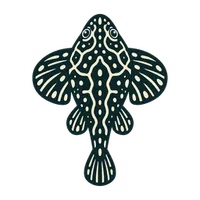
The reticulated or tiger hillstream loach is one of the most distinctive fish you can keep — a flattened, sucker-bellied river specialist that clings to rocks and glass like a living gecko. SeriouslyFish calls Sewellia lineolata "among the most attractive balitorids yet seen", and it is popular partly because it is one of the easiest loaches to breed. At just ~65 mm SL (2.6 in) it is small, but its needs are specific and non-negotiable.
This is not a generic bottom-feeder. It comes from shallow, fast-flowing, oxygen-saturated headwaters in Vietnam and Laos, where a rich biofilm carpets the rocks. Recreate that, and it thrives; drop it into a warm, still, immature tank, and it slowly starves.
💷 Costing it out? See how much a hillstream loach really costs to keep — the hillstream loach itself is usually the cheapest part.
Water & tank
Lead with the numbers, because they rule out a lot of tanks. SeriouslyFish recommends 20–24 °C (68–75 °F) for general care — cool, not tropical — with pH 6.0–7.5 and hardness 1–10 dGH (soft water). It can tolerate higher temperatures only if oxygen requirements are maintained. Minimum base dimensions are 75 × 30 cm (~68 L / ~18 US gal).
Flow and oxygen are the make-or-break. The water "must be clean, well-oxygenated, and ideally turn over 15-20 times per hour", which means an over-sized filter plus additional powerheads and airstones. Two more firm rules: it must never go into a biologically immature tank, because it needs stable water and feeds on biofilm; and it needs a tight-fitting lid, because it can literally climb glass and is known to jump. Get the cool, high-flow, oxygen-rich, mature water right first — everything else depends on it.
Feeding
Much of the natural diet is benthic algae and associated micro-organisms (with insect larvae taken opportunistically), so long-term success depends on a mature tank with a plentiful supply of algae-covered rocks and surfaces. It prefers diatoms and softer green algae over tough black-brush types. Supplement with home-made vegetable/Spirulina foods, and be aware these loaches are often sold emaciated — a state SeriouslyFish notes "can be difficult to correct", so choose plump fish and keep the biofilm coming.
Behaviour & tankmates
Among the "sucker belly" loaches, Sewellia are perhaps the most dominant — but they are not generally aggressive toward dissimilar-looking fish, so the friction is mostly within their own kind over prime feeding spots. In the wild they occur in large aggregations, and SeriouslyFish advises buying a group of six or more to see their most interesting, natural behaviour; a larger group also stops any one weaker individual from being singled out.
Good tankmates share the cool, high-flow theme — small pelagic cyprinids like Tanichthys, Danio, Devario and Rasbora, and stream gobies. Avoid warm-water community fish and other bottom-dwellers that would compete for the same grazing surfaces. This is a fish you build a biotope around, not one you slot into an existing tropical community.
What to expect
Expect a charming, active, rock-clinging grazer that spends its day working algae-covered surfaces in a strong current. In the right cool, turbulent, oxygen-rich, mature tank — with a group of six-plus and a tight lid — they are hardy, entertaining and even breed readily. In the wrong tank (warm, still, new, or under-fed) they decline quietly and are hard to rescue once thin, so the setup has to be right before the fish arrives.
Myths, kindly busted
“Hillstream loaches are just algae-eaters you can add to any tropical community tank.”
They are cool-water (20–24 °C), soft-water river specialists needing 15–20× turnover, high oxygen and a mature, biofilm-covered tank — not a generic community algae crew.
“They’re tiny, so a small new tank is fine.”
Though small (~65 mm SL), they should never be added to a biologically immature set-up because they depend on established biofilm and stable water — and they need real flow and a group of six or more.
“A normal open-top tank is okay for such a small, flat fish.”
SeriouslyFish flags that it can literally climb glass and is known to jump — a tight-fitting lid is a stated requirement, not optional.
🐟 Did you know? — Hillstream Loach fun facts
Little true delights about the hillstream loach — each one checked against a named source, no pet-shop myths.
- A sucker-bodied torrent fish, it grazes biofilm in fast headwaters and can literally climb aquarium glass, so a tight lid is essential. SeriouslyFish
- Males stage dominance duels belly-to-belly, both fish rearing their bodies off the substrate into a near-upright stance. SeriouslyFish
- It was first recorded by the naturalist Diard over 150 years before its 1990s “rediscovery”, reaching the hobby only in the mid-2000s. SeriouslyFish
When to act
We triage, not diagnose — but these are worth a closer look (starting with a water test):
- A sunken belly or visibly thin loach — a very common problem in this group that "can be difficult to correct"; ensure a constant biofilm/algae food source without competitors, and choose plump fish at purchase.
- Loaches parked at the surface, near the filter outflow, or breathing rapidly — a red flag for low oxygen or too little flow; check turnover (target 15–20×/hour), add powerheads/airstones, and confirm the temperature is not too high.
- A missing fish, or one found on the floor — they climb glass and jump; fit a tight, gap-free lid immediately.
Heading to a vet? Print the Hillstream Loach vet-prep sheet — what to bring, what to tell them, and the questions to ask.
Sources & further reading
- SeriouslyFish — Sewellia lineolata (Tiger/Reticulated Hillstream Loach) — Max ~65 mm SL; minimum base 75 × 30 cm (~68 L / ~18 US gal); temperature 20–24 °C / 68–75 °F (cool; higher only with maintained O₂); pH 6.0–7.5; hardness 1–10 dGH; needs 15–20× turnover + high oxygen + mature biofilm tank; keep 6+; tight lid (climbs glass/jumps); often sold emaciated (hard to correct).
Written & fact-checked by The Finfern Team against the sources above — kind, general guidance, not a diagnosis. If something looks wrong, test your water and, if it persists, contact a fish-savvy vet.

Get the free Hillstream Loach Starter Kit
The essentials at a glance, a setup checklist and a first-30-days plan for your hillstream loach — what to get right and what to watch for. Join the shoal and we’ll send it over. Free sheets and tools always stay open, no gatekeeping.
Water-first tips and new guides the moment they land. No spam — unsubscribe anytime. See how we handle your data in our privacy notice.