
Species · Catfish & bottom-dwellers
Siamese Algae Eater
Crossocheilus langei
The real black-brush-algae eater — but a 6-inch river shoaler, not a solo clean-up tool. Check the ID (it is confused with the flying fox and the aggressive Chinese algae eater) and skip the protein.
Difficulty: Beginner–Intermediate Tropical community tank ✓ Fact-checked care guide
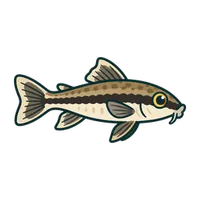
Quick facts
| Adult size | ~150 mm / 6 in SL |
|---|---|
| Minimum tank | ~304 L / ~80 US gal — a 150 × 45 cm base for a group, per SeriouslyFish |
| Temperature | 20–26 °C / 68–79 °F |
| pH | 6.0–7.5 |
| Hardness | 1–15 dGH |
| Filtration & flow | Spotless, oxygen-rich water with decent flow; a river fish, not a low-maintenance one |
| Diet | Aufwuchs grazer — Spirulina-based dried food + fresh vegetables; AVOID high-protein foods |
| Social | A shoaling (not schooling) fish — keep a group of six or more |
| Temperament | Generally peaceful, but a pecking-order shoaler — weaker fish are bullied in small numbers |
| Lifespan | Commonly cited at ~10 years in the hobby (not stated by the primary source) |
Overview
The Siamese algae eater is the hobby’s go-to for one specific job: eating black brush algae (BBA), the stubborn red/beard algae few other fish will touch. But "SAE" is a trade label stuck on a handful of near-identical Crossocheilus species, plus the unrelated flying fox and Chinese algae eater. SeriouslyFish identifies the fish "most often referred to as ‘Siamese algae eater’" as Crossocheilus langei, and it is genuinely the most efficient BBA consumer of the group.
Two honest surprises follow. First, this is a big fish — up to 150 mm SL (6 in) — not a small clean-up crew member. Second, it is a shoaling fish with a pecking order, not a solo algae tool. Buy it for the right reasons, in the right numbers, and give it the right tank.
💷 Costing it out? See how much a siamese algae eater really costs to keep — the siamese algae eater itself is usually the cheapest part.
Water & tank
Lead with the numbers. SeriouslyFish lists 20–26 °C (68–79 °F), pH 6.0–7.5 and hardness 1–15 dGH — a soft-to-moderate, cooler-leaning range from flowing streams. Crucially, the tank is big: a group needs base measurements of 150 × 45 cm (~304 L / ~80 US gal). That is a serious aquarium for a fish many people buy as a "cheap algae fix".
Like other running-water fishes it is intolerant of organic waste and "requires spotless water at all times in order to thrive", with high dissolved oxygen and a decent level of water movement. So the SAE is not a shortcut around good husbandry — it needs the same clean, oxygen-rich, well-circulated conditions as your showpiece fish. Get the water right first, then let it do its algae work.
Feeding
This is the fish’s whole reputation: C. langei is the most efficient consumer of black brush algae, though some reports say only younger, softer growth is eaten — so introduce it before an outbreak, not as a cure. In nature these are aufwuchs grazers (algae, diatoms, phytoplankton and microorganisms). Importantly, SeriouslyFish warns against high-protein foods: the fish cannot metabolise some components efficiently, and prolonged high-protein feeding can cause fat deposits and even organ degeneration. Feed a quality dried product with Spirulina plus plenty of fresh vegetable matter — shelled peas, blanched courgette, spinach and chopped fruit.
Behaviour & tankmates
Generally peaceful and compatible with many popular community fish. But it is a shoaling (not schooling) fish that forms a distinct pecking order, and SeriouslyFish is clear it is "best-maintained in a group of six or more since weaker individuals may be bullied incessantly if smaller numbers are kept". Kept singly or in twos it can turn shy, skittish, or bullying.
The bigger caution is identity. SAEs are constantly confused with the flying fox and the Chinese algae eater (CAE), which behaves very differently and can become aggressive and territorial with age. A true Crossocheilus SAE has a distinct dark lateral stripe and browses algae peacefully; if your "SAE" is a rasping, glass-holding troublemaker, you may have bought a CAE. Verify the fish before you buy — the wrong lookalike is a common, avoidable mistake.
What to expect
Expect a hard-working, peaceful, fast-moving algae grazer that stays busy on rock and décor — and that grows to a genuine 6 inches and shoals in groups of six or more, needing a large, clean, well-oxygenated tank. Treat it as a river fish with a useful appetite, not a disposable clean-up tool. As it matures it may graze less algae and rely more on your feeding, so keep the veg coming and the protein low.
Myths, kindly busted
“An SAE is a small clean-up fish — one is plenty for a little planted tank.”
C. langei reaches 150 mm SL (6 in), is a shoaling fish best kept in groups of six or more, and a group needs a 150 × 45 cm (~304 L) tank. It is neither small nor a solo animal.
“SAE, flying fox and Chinese algae eater are basically the same fish.”
"SAE" is applied to several near-identical Crossocheilus species and is routinely confused with the flying fox and the unrelated, more aggressive Chinese algae eater. The true SAE (C. langei) is the peaceful, most efficient BBA grazer — check the ID before buying.
“It only eats algae, so any fish food is fine.”
It is an algae/aufwuchs grazer, but SeriouslyFish warns high-protein foods cannot be metabolised well and prolonged feeding can cause fat deposits and organ degeneration. Feed Spirulina-based dried food and fresh vegetables.
🐟 Did you know? — Siamese Algae Eater fun facts
Little true delights about the siamese algae eater — each one checked against a named source, no pet-shop myths.
- It is famed as one of the few fish that will eat tough “black brush” algae, a red alga that is otherwise very hard to remove once established. SeriouslyFish
- The name “Siamese algae-eater” actually covers several near-identical Crossocheilus species traded interchangeably, so “SAEs” aren't all one fish. SeriouslyFish
- In the wild it is an aufwuchs grazer on algae, diatoms and microbes, and copes poorly with high-protein food. SeriouslyFish
When to act
We triage, not diagnose — but these are worth a closer look (starting with a water test):
- Your "SAE" is aggressive, rasps on other fishes’ flanks, or clings to the glass sucking at it — suspect a mis-sold Chinese algae eater (or flying fox), not a true Crossocheilus; re-check the ID (dark lateral stripe, body shape) and rehome if it is the wrong fish.
- A single SAE turning bullying or, conversely, hiding and skittish — often a numbers problem; in a pecking-order shoaler keep six or more so weaker individuals are not singled out.
- A visibly thin, sunken, emaciated SAE — a known problem in this group; it needs a constant, competitor-free source of algae/veg food plus spotless, oxygen-rich water. Correct diet and water quality before assuming illness.
Heading to a vet? Print the Siamese Algae Eater vet-prep sheet — what to bring, what to tell them, and the questions to ask.
Sources & further reading
- SeriouslyFish — Crossocheilus langei (Siamese Algae Eater) — Max ~150 mm SL; a group needs base 150 × 45 cm (~304 L / ~80 US gal); temperature 20–26 °C / 68–79 °F; pH 6.0–7.5; hardness 1–15 dGH; the true hobby "SAE" (most efficient BBA eater); shoaling — keep 6+; AVOID high-protein foods (fat/organ damage); needs spotless oxygen-rich water. Often confused with the flying fox and the aggressive Chinese algae eater (CAE).
Written & fact-checked by The Finfern Team against the sources above — kind, general guidance, not a diagnosis. If something looks wrong, test your water and, if it persists, contact a fish-savvy vet.

Get the free Siamese Algae Eater Starter Kit
The essentials at a glance, a setup checklist and a first-30-days plan for your siamese algae eater — what to get right and what to watch for. Join the shoal and we’ll send it over. Free sheets and tools always stay open, no gatekeeping.
Water-first tips and new guides the moment they land. No spam — unsubscribe anytime. See how we handle your data in our privacy notice.